What it costs to build a custom home in Australia
By Nathan Sherry · Updated 2026-07-10
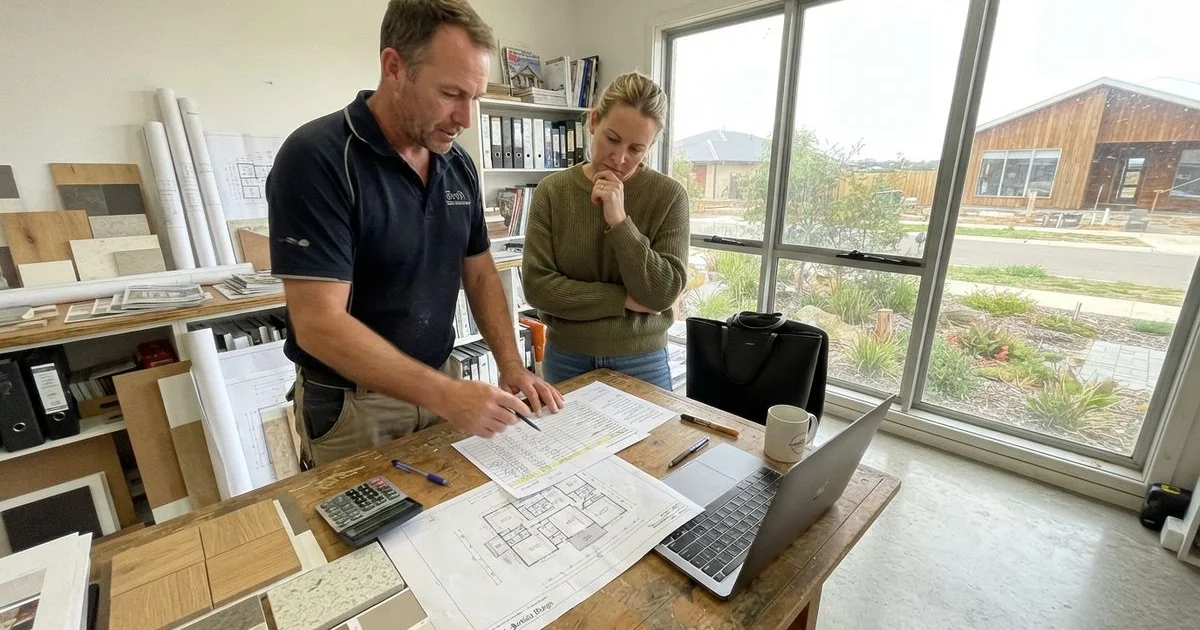
Ask five builders what a custom home costs and you will get five different answers, because the honest answer is: it depends on size, finish level, site conditions and where in the country you are building. This guide sets out the real ranges custom home buyers work with in Australia, what actually moves the number, and how to sanity-check a quote before you sign anything.
The main driver: finish level, not just size
Floor area matters, but finish level usually moves the total more than a few extra square metres. A basic or project-home spec, a mid-range custom spec, a high-end custom spec and a luxury or architectural spec can each add well over A$1,000 per square metre on top of the last tier. That is why two houses of the same size can land tens or even hundreds of thousands of dollars apart. Before you get a quote, decide honestly which tier you are actually building to: project-home fittings with a custom floor plan is a common middle ground that keeps cost down without feeling stripped back.
The free cost estimator tools on our home page use exactly these factors, floor area, finish level and number of storeys, to give you a starting range before you speak to a builder. Treat the output as a planning figure, not a quote.
What else changes the price
- Storeys. A double-storey build typically adds a meaningful premium over a single-storey home of the same floor area, mostly for structural work and a second staircase.
- Site conditions. Sloping blocks, reactive soil, or a site that needs retaining walls or extensive cut and fill can add tens of thousands before the house itself is touched.
- Access. A tight inner-city block with no crane access costs more to build on than an open suburban lot.
- Services. Connecting to mains power, water and sewer is cheap in an established suburb and expensive or impossible on a rural block, where septic and off-grid power can add A$15,000 to well over A$90,000.
- Council requirements. Bushfire zones, heritage overlays and flood-prone areas can all add engineering and compliance costs.
A rough comparison by build type
| Build type | Typical driver of cost | Where the surprises usually hide |
|---|---|---|
| Project-home style custom build | Floor area x finish level | Site costs quoted as an allowance, not a fixed figure |
| High-end or architectural custom build | Design complexity, detailing | Prime cost and provisional sum items running over budget |
| Knockdown rebuild | Demolition plus new build cost | Underestimating demolition and site clearing |
| Acreage or rural build | Site works (power, water, septic, access) | Off-grid services costing far more than expected |
Reading a quote without getting caught out
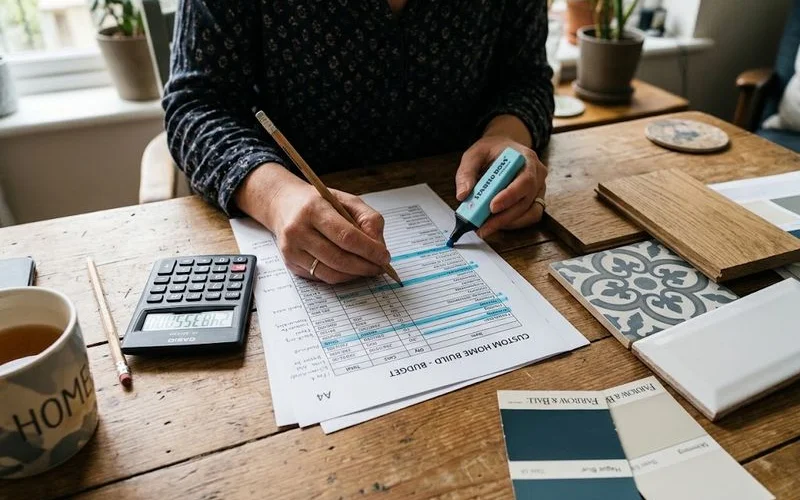
A cheap-looking headline price is often cheap because it excludes things you will need anyway. Ask every builder to itemise, or at least confirm in writing, whether the quote includes: site costs and soil testing, driveway and landscaping, floor coverings, window furnishings, and connection to services. If an item is listed as a provisional sum or prime cost item, ask what happens if the actual cost comes in higher, and who wears the difference. Builder scores in this directory follow a published rubric that weighs completeness and transparency, which is a reasonable proxy for how clearly a builder communicates costs up front.
This guide gives general ranges to help you budget; it is not a quote, and actual pricing depends on your specific site, design and builder. Get at least two or three detailed, itemised quotes before committing.
Where the money typically goes
Kitchens and bathrooms carry a disproportionate share of the budget because of joinery, tiling and services. Structure and roofing come next, followed by external works like driveways, fencing and landscaping, which buyers frequently underbudget. If your quote feels low compared to others, check first whether external works and floor coverings are actually included, rather than assuming the builder found a way to build cheaper.
Getting a number you can trust
The most reliable way to firm up a budget is a site visit and a written, itemised quote, not a phone estimate. Bring your must-haves and nice-to-haves as separate lists so a builder can show you where trimming the second list saves real money. Comparing three quotes side by side, inclusion for inclusion, tells you far more than comparing three headline totals.
Once you sign, staged payments follow the build’s progress rather than one lump sum; the guide on protecting your deposit through progress payments covers what to check before each payment is released.
Common questions
- What is a realistic budget for a custom home in Australia?
- Most owner-occupier custom builds land somewhere between a basic project-home rate and a high-end architectural rate per square metre, depending on finish level, site conditions and location. A detailed quote after a site visit is the only way to get an exact figure.
- Why do two builders quote such different prices for a similar house?
- Differences usually come down to what is included in the base price. One quote might bundle site costs, driveways and landscaping; another treats them as separate allowances. Always compare like-for-like inclusions, not just the headline figure.
- Does a bigger house always cost proportionally more?
- Not quite. Kitchens, bathrooms and services are the most expensive square metres in a house, so a larger, simpler floor plan can sometimes cost less per square metre than a smaller, highly detailed one.
- Can I lock in a price before construction starts?
- Yes, with a fixed price contract, though it usually costs more upfront than a cost-plus arrangement because the builder is pricing in risk. See our guide on choosing between the two.