Owner-builder in Australia: what it involves and whether it is worth it
By Nathan Sherry · Updated 2026-08-13
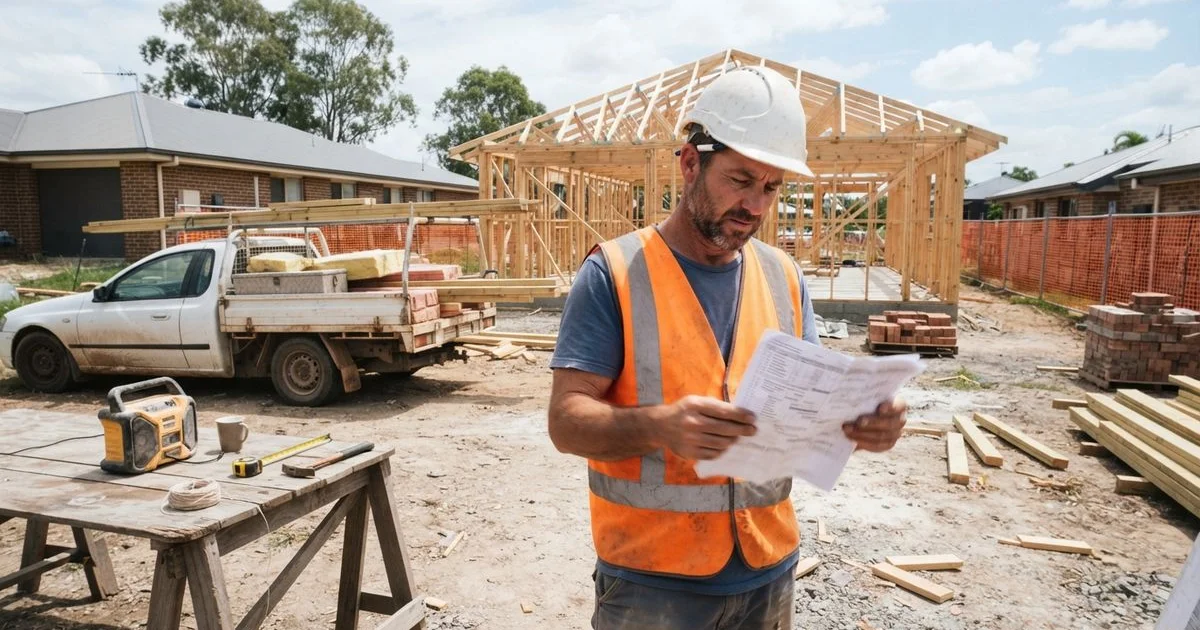
Managing your own build instead of engaging a builder to run the whole project is a real option in Australia, called owner-building, but it comes with more legal responsibility and personal risk than the potential savings suggest at first glance. Here is what it actually involves.
This is general information about how owner-building typically works, not legal or financial advice. Requirements, permits and liability rules vary significantly by state, so confirm the specifics with your state’s building regulator before proceeding.
What owner-builder actually means
An owner-builder is a homeowner who directly undertakes and manages the construction or renovation of their own home, coordinating trades and materials themselves rather than engaging a single registered building practitioner to run the whole project. It is legally distinct from hiring a builder: as an owner-builder, you typically take on much of the legal responsibility a registered builder would otherwise carry, including compliance with the building code and, in many states, liability for defects.
What you need before you start
Most states require an owner-builder permit or certificate before you can legally take on this role, usually involving proof of some construction knowledge and confirmation you meet eligibility rules. There are often limits on how frequently you can act as an owner-builder, and restrictions on selling an owner-built property within a set period without extra disclosure or insurance. Confirm the exact requirements with your state’s building regulator before assuming you are eligible.
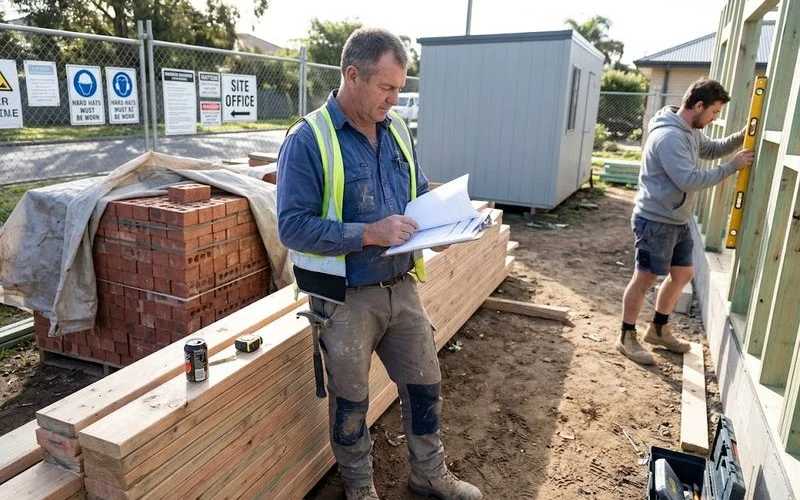
Owner-builder vs hiring a registered builder
| Owner-builder | Registered builder | |
|---|---|---|
| Who manages trades and scheduling | You | The builder |
| Legal responsibility for defects | Largely yours | Largely the builder’s, under contract |
| Access to trade pricing | Often limited, retail rates | Usually better, through relationships |
| Time commitment | Significant, ongoing | Managed on your behalf |
| Best suited to | Hands-on experience or industry background | Most homeowners |
Where the real savings, and real risks, are
The commonly cited saving is avoiding a builder’s margin on the whole job. In practice that saving is often smaller than expected, because owner-builders typically pay closer to retail rates for materials and trades rather than the volume rates an established builder can negotiate, and mistakes or scheduling gaps can eat into any margin saved. The risk side is larger than many people expect going in: coordinating multiple trades well requires real project management skill, and if something goes wrong structurally, the liability commonly sits with you rather than a builder’s insurance.
Who this genuinely suits
Owner-building tends to work best for people with real hands-on construction experience, a trade background, or the ability to commit substantial time to project management, not simply an interest in saving money. If you do not have that background, engaging a registered builder for the whole project, or at minimum for structural stages, while you manage simpler finishing work yourself, is a more realistic middle ground for most homeowners.
If your project sits at the opposite end of the scale, where specialist trades and close supervision matter more than saving on margin, our guide on what actually adds value in a luxury custom build covers that path instead.
Insurance is not optional
Even when acting as an owner-builder, you generally still need appropriate insurance covering the works, public liability, and in many cases a form of warranty cover if you sell within a set period after completion. Do not assume a standard home and contents policy covers an active construction site, it typically does not. Confirm exactly what cover you need with an insurer experienced in owner-builder projects before work starts, since a gap here is one of the more serious financial risks in this pathway.
Before you commit
Speak to your state’s building regulator about permit requirements and eligibility, and get a realistic estimate of the time commitment from someone who has done it before, not just the potential cost saving. If you plan to sell within a few years, factor in that owner-built properties can face extra disclosure requirements or buyer hesitancy, which is worth weighing honestly before you decide.
If you decide a registered builder is the better fit, this directory scores builders against a published rubric that can help you shortlist a track record you can actually verify.
Common questions
- Do I need a permit to become an owner-builder?
- Yes. Most states require an owner-builder permit or approval before you can legally manage your own construction project, and there are usually limits on how often you can do this and rules about selling the property afterwards.
- Does owner-builder work save a lot of money?
- It can reduce some margin costs, but savings are often smaller than expected once you account for the time, mistakes, and lack of trade buying power an experienced builder has. It suits people with genuine industry knowledge or hands-on building experience more than first-timers.
- Am I personally liable for defects as an owner-builder?
- Generally, yes, to a significant degree. As an owner-builder you typically take on legal responsibility that would otherwise sit with a registered builder, including for defects, which is a serious consideration if you plan to sell the property within a few years.
- Can I still use registered builders for parts of the project?
- Yes. Many owner-builders engage registered trades or a registered building practitioner for specific stages, like structural work, while managing other parts themselves. Check what licensing each trade requires in your state before engaging anyone.